
“Gardening combines all of the elements and principles of design,” said Peter Lowe, Garden Program Manager at The Dawes Arboretum. “It’s texture, color, pattern and rhythm. You take your design and recreate it in living form. Any time you create, it’s art.”
In honor of 250 years since 1776, the Ohio Commission for the U.S. Semi quincentennial (America 250) has chosen a different theme each month to highlight and celebrate Ohio's rich history. This month, learn about how Lowe uses colors and palettes to tell visual stories around The Arboretum to celebrate May’s theme: Ohio Creates: Arts, Culture and Literature.
From paint to plant palette
Lowe was a “traditional” art kid – he spent his free time between class periods in the art room and doodled any chance he got. He was raised by a creative family – his father was an art teacher, a painter and a woodworker. He explored all different kinds of creative mediums throughout his upbringing, such as drawing, photography and sculptures.
Lowe first worked in the dirt as a groundskeeper for his city’s park, doing turf management, taking care of plants and beautification of the grounds. That position was the catalyst for him to study landscape design at The Ohio State University where he earned a degree in Landscape Horticulture and learned how to combine his passion for art and the outdoors.
In Lowe’s current role at The Arboretum, he manages the Learning Garden and provides groups with learning opportunities about nature.
He uses creativity every day when designing gardens and natural elements around The Arboretum’s grounds.
Arts, culture and literature in the garden
Lowe uses plant palettes, like a “traditional” artist like a watercolorist would use a paint palette. Early in his career, he planned them out on paper, but now he remembers them from previous experiences.
Instead of traditional tools like an easel and a brush dipped in paint, Lowe chooses plants to layer on his canvas, the ground.
“When I start the gardens, I don’t think about the plants,” he said. “I think, ‘What are the textures?’ ‘What are the feelings we’re trying to stir?’ I’m not thinking flowers, I’m thinking in patterns.”
He is constantly challenging himself to create new palettes and considering which plants will harmonize the colors of the design. He tries to see the garden through the visitors’ eyes to make it unique.
When a visitor walks by a garden, they might see the colors of the flowers or the buzz of pollinators, but when Lowe is looking at a garden, he can visualize elements of music.
A flower poking up symbolizes a crashing cymbal in an orchestra, and rhyme shows through different plant colors.
“It just happens that my art is created outside,” he said. “An artist is an artist.”
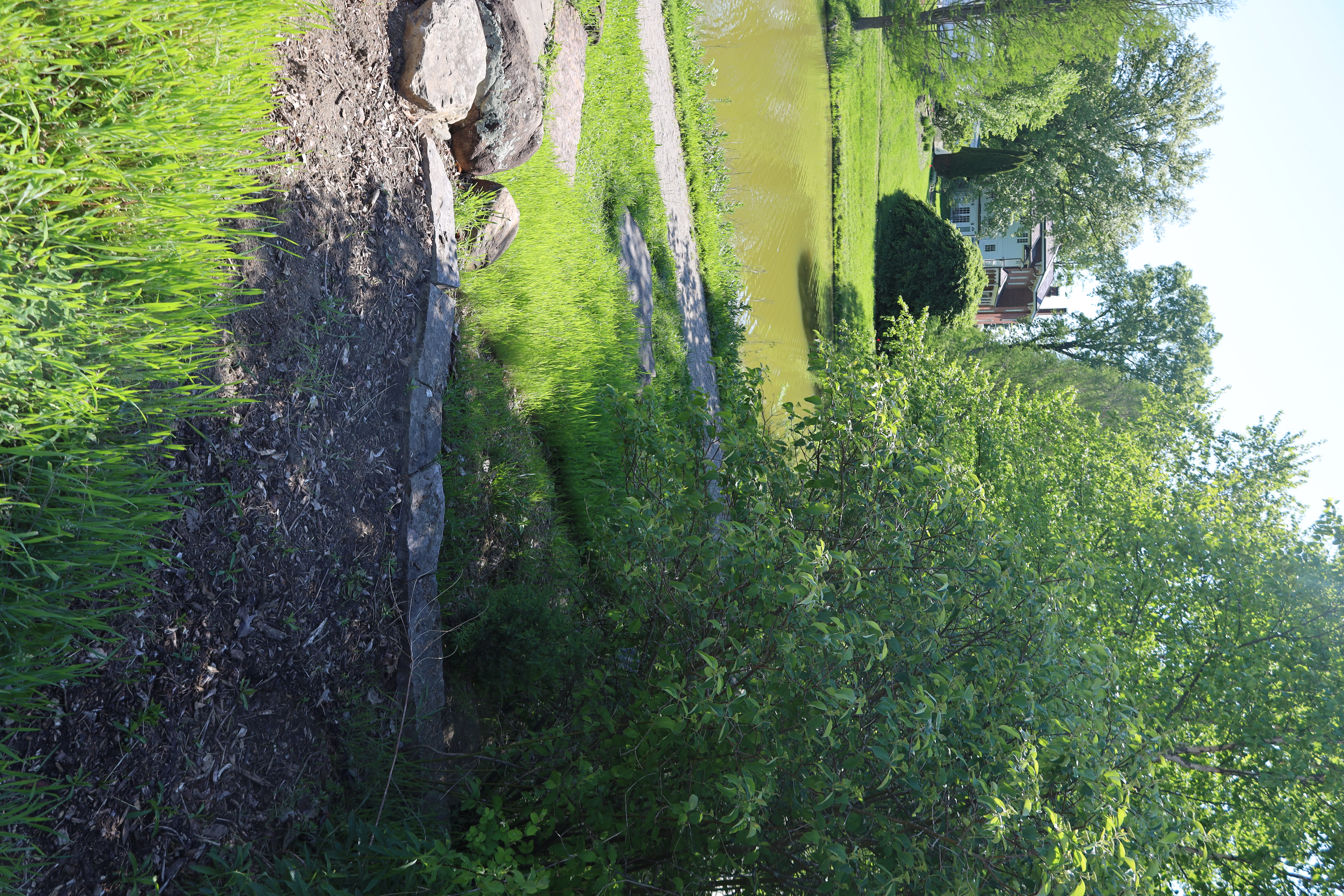
Lowe also considers gardening a form of storytelling. He works with the best plants to tell the story of the land.
For example, the bioswale near the Zand Education Center tells the story of how plants have the unique ability to take heavy metal out of rainwater and how plants can solve problems, Lowe said. A bioswale is a feature designed to manage and treat storm water runoff. It mimics natural drainage patterns to slow down and filter water.
“It’s a story of love, passion and connection,” Lowe said. “It’s creating a space for community to gather not just for people, but for the wildlife it attracts. You know that this is a space that is loved and enjoyed.”
Grow as you go
Lowe’s advice for gardeners is to treat it like an evolving friendship.
“Plants are like people,” he said. “You get to know their favorite food, get their support and have deeper conversations. You have to get to know your space, and then you can start to create together. You are working with the landscape – you are not in control of it.”
It’s important to know what the garden needs: the required moisture, sunlight and the wildlife that it attracts. Gardens have personality, and it comes from the people who take care of it, according to Lowe.
“Do not ever be afraid to evolve with your garden. Landscapes continue to grow, and you need to grow with them.
There’s a reason therapeutic horticulture and art therapy exists. I’m lucky enough that I can do both daily.”